Plugging the Pipeline Leak: An Action Plan to Retaining First-time Donors

Celebrating a brand-new donor to your mission feels amazing. But behind that acquisition victory lies a quiet crisis: up to 85% of those new supporters will never give a second time.
How do we turn that one-time donor into a lifelong supporter?
We have all felt that joy when a new donor makes their very first gift. Whether it is a hard-won alum from a recent campaign or a local community member inspired by an event, there is a collective high-five in the development office. We did it! We acquired a donor.
But what happens next?
Too often, the answer is... not much. Sure, they might receive an automated, transactional tax receipt email. And while that receipt is a necessary, legally required first step, let us be clear: a transaction confirmation is not true donor stewardship. It does not build a relationship, it usually does not demonstrate real-world impact, and it rarely converts a one-time giver into a repeat supporter. To secure that vital second gift and improve your overall first-time donor retention, you have to go far beyond the receipt with a strategic new donor welcome series.
In my work at Brighter Philanthropy, I see organizations experiencing record-breaking donor acquisition, only to watch those same supporters slip away quietly out the back door. If we do not actively change how we welcome new givers and share the difference their money is making through our mission, we are essentially pouring water into a very leaky bucket.
Building a strategic, automated welcome series is the single best way to plug that leak. And here is the best part: you do not have to build a flawless, multi-channel masterpiece overnight. Let us look at what is at stake, how to build a journey that works, and how to implement it in manageable, stress-free phases.
The high stakes of ignoring first-time donor retention

It is easy to focus our energy on major gifts and capital campaigns. However, your annual giving pipeline is the foundation of your organization's future major donors and legacy givers.
When we ignore first-time supporters, we are leaving both relationships and significant funding on the table.
Consider what the data tells us about donor stewardship and retention:
The expectation gap is real. Industry data shows that 74% of donors expect a welcome email immediately after giving, yet only 57% of organizations actually send one (Giveffect).
The under-$100 pipeline is highly vulnerable. In healthcare and education sectors, first-to-second gift retention for donors under $100 often hovers around a painful 15%. This means 85 out of 100 small-dollar donors will never give to you again.
The window of opportunity is incredibly tight. Research from Analytical Ones shows that new donors who give a second gift within the first 90 days have a lifetime value nearly twice as high as those who wait a full year to give again.
When we fail to steward these donors, we are forced into a constant, expensive cycle of donor acquisition. It costs much more to find a new donor than it does to keep one (DonorPerfect).
The business case: Proving the ROI of a donor welcome series
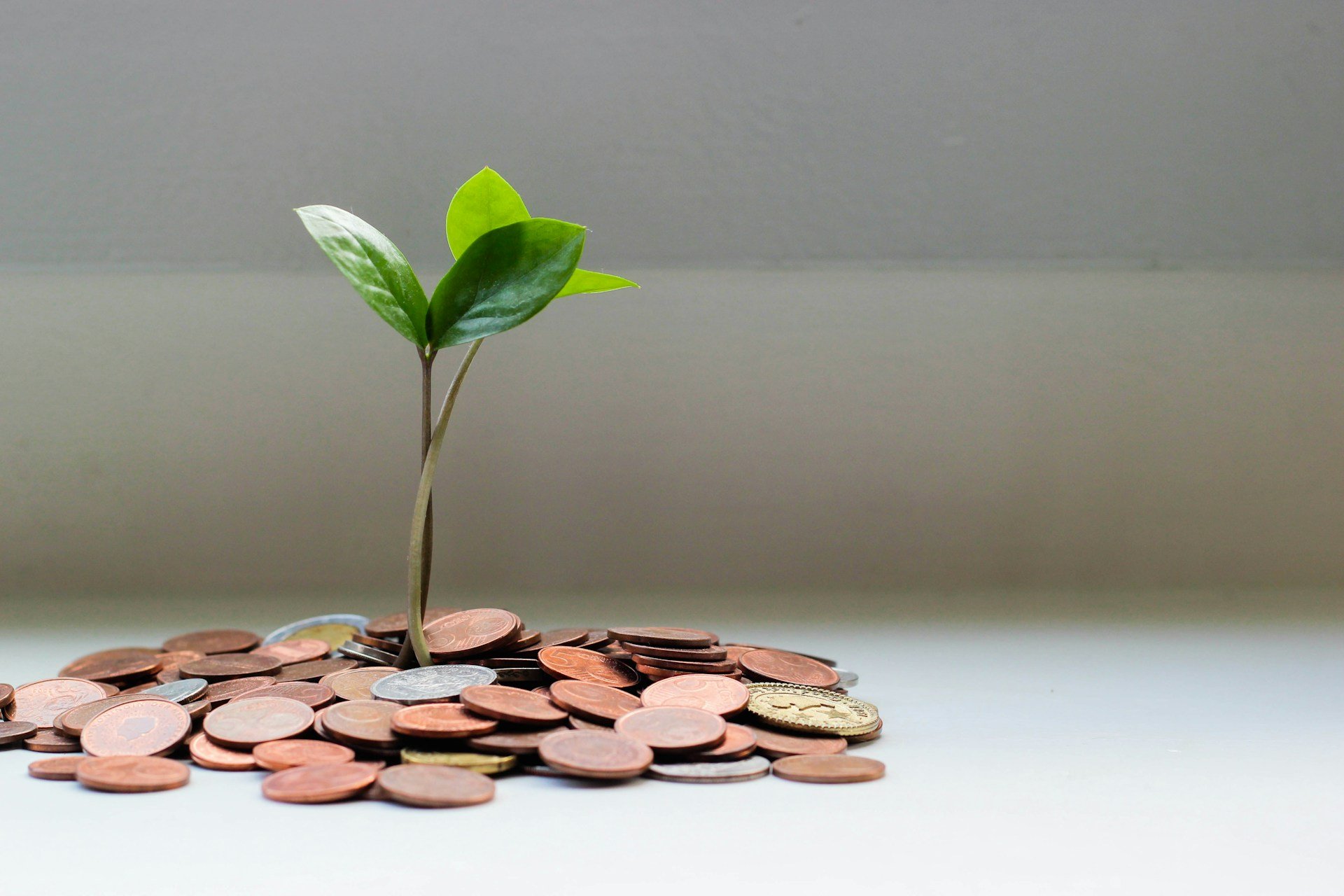
As a leader, you have to protect your team's limited bandwidth and prioritize projects with the highest return on investment. If you need to justify devoting staff resources to building this series here is the business case to make:
Your next major donor is in your database right now. Major gift officers spend years cultivating high-net-worth individuals. But according to donor data, many of your future major and legacy givers will start with a humble first-time contribution of $50 or $100. If we ignore them during their peak "honeymoon phase," we lose them. This welcome series is not just about securing a second $50 gift; it is about qualifying and protecting the future major gift pipeline.
The hard math of retention ROI. Let us look at a simple, illustrative scenario. Imagine your university or nonprofit acquires 1,000 new donors this year. If you stick with the industry-average first-time donor retention rate of roughly 15%, only 150 of those people will give again next year. However, if you implement this welcome series and lift your retention rate to a very achievable 25%, you retain 250 donors. That is 100 additional supporters saved from slipping away. At an average second gift of $75, that represents an immediate $7,500 in direct annual fund revenue and thousands of dollars saved in long-term acquisition costs (DonorPerfect).
Unlocking corporate matching as found money. Adding a direct matching gift screening to your impact touchpoint is the ultimate "low-hanging fruit." Roughly one in ten corporate employees are eligible for matching gifts, yet the vast majority of matches go unclaimed. By integrating a simple, automated lookup tool at week four, you can double or triple the financial value of a single gift at absolutely zero extra cost to the donor.
A low-risk, low-overhead staff asset.When advancement teams hear the phrase "new donor welcome series," they worry about massive IT bottlenecks or weekly manual workloads. In reality, setting up phase one (the immediate automated thank you email) takes a single staff member about two hours to write and configure in your CRM. Once established, it is a completely automated, hands-off asset that works for you 24 hours a day.
The six-week new donor journey: What your new investor experiences
Once your welcome series is fully built and active in your database, the supporter's journey unfolds as a series of carefully timed stewardship and engagement touchpoints delivered over a six-week period.
Touchpoint 1: The thank you — email (and text, if possible) sent 48 hours after they made the gift
What is it: An immediate, highly emotional email and text message showing gratitude and sharing a simple, powerful impact video.
Call to action: Find out more and engage further with your org.
Goal: Move the conversation from money to mission through storytelling.
The science behind this: Donors are at their peak level of interest immediately after giving. Providing high-value stewardship content during this window is seen as a "gift" rather than spam. According to Mailmodo, welcome emails receive the highest engagement. Blackbaud notes that the read rate on a welcome email is 42% higher than the average email. GetResponse reports that including images can boost open rates by 30%, while Campaign Monitor indicates videos can increase click-through rate by 65%.
Touchpoint 2: The personal note — snail mailed one week after they made the gift
What is it: A physical, handwritten postcard or note welcoming them to the family with absolutely no financial ask.
Goal: No ask, just “welcome" and “thanks.”
The science behind this: NextAfter and American Philanthropic found that 45% of nonprofits completely neglect offline channels for digital-first donors, making a physical touchpoint a powerful way to stand out.
Touchpoint 3: The social + get involved invite — email sent two weeks after they made the gift
What is it / call to action: An email introducing other low-barrier ways to engage, such as following your social accounts, attending a free tour, or volunteering.
Goal: Turn passive givers into active supporters, guiding them toward deeper involvement.
Touchpoint 4: The impact update + corporate match soft ask — email (and text, if possible) sent four weeks after they made the gift
What is it: A stewardship-focused email showing a tangible example of exactly how their contribution changed or saved lives.
Goal: Donors want to know exactly where their money is going. Include clear information about your organization’s financial stewardship to build long-term trust.
Call to action: Combine this impact message with a soft ask to check if their employer matches gifts.
The science behind this: Since the donor is riding the emotional high of seeing their direct impact, this is the perfect strategic moment to invite them to double their contribution at absolutely zero personal cost.
Touchpoint 5: The feedback loop — email sent five weeks after they made the gift
What is it / call to action: Ask them to submit simple, three-question survey about what inspired their gift and what they care about most.
Goal: Treating donors like real people and partners (not ATMs) is key to retention.
The science behind this: Treating donors as stakeholders rather than transactions increases overall investment (Blackbaud).
Touchpoint 6: The second gift ask — email sent six weeks after they made the gift
What is it / call to action: A strategic invite to join your monthly giving community to sustain the work year-round.
The science behind this: The 30 to 60 day window is the absolute sweet spot to secure a recurring commitment (NonProfit PRO). Research by Analytical Ones found that new donors who give again within 3 months have a lifetime value nearly twice as high as those who wait 12 months.
This paced, multi-channel cadence works incredibly well to build relationships progressively over time.

One size does not fit all: Segmenting by entry point and relationship
Before you set up an automated, generic sequence for every single person, we have to talk about context. Treating a legacy stakeholder like a patient or alum or a highly engaged event attendee like a cold, digital-first donor is a massive missed opportunity.
DonorPerfect recommends tailoring your messaging based on how a donor arrived at your organization. When setting up your welcome logic, consider two major factors:
The event attendee vs. the standard donor. An event attendee has already had a real, sensory, physical experience with your brand. They may have had dinner at your gala, toured your campus, or met your leadership team. If your very first welcome email sends them a generic "introduction to our mission" video, you are treating them like a stranger. Instead, acknowledge the event they attended, share the fundraising totals from that night, or link to a photo gallery of the evening. Keep that "event energy" alive rather than starting over.
The nature of their relationship with your org. Your CRM can hold key data about a donor's existing ties. Are they an alumnus, a student's parent, a grateful patient, a staff member, or a local business partner? Your core messaging should reflect this connection. For example, a parent wants to see how gifts directly support student life and modern campus facilities. A grateful patient's family wants to hear about compassionate care and family support services.
You do not need to write completely different six-week journeys for every single group. Instead, use dynamic content blocks in your email platform to swap out small, highly personalized sections of copy based on their contact record.
A tiny bit of customization goes an incredibly long way in building deep trust.
The reality check: Why a phased welcome series is your best friend
Here is my honest take: you do not have to do all of this right off the bat. If you try to build, test, and launch all six steps simultaneously, your team will likely burn out, or the project will stall and never get off the ground (Nonprofit Automation Agency). Instead, treat your welcome series as a living project that you build in phases over several months.
I recommend starting with a crawl, walk, run strategy:
Phase one (the crawl): Focus entirely on touchpoint one. Craft a beautiful, automated email thank you that is entirely separate from your standard tax receipt. Make it warm, emotional, and personal. Get that running smoothly first.
Phase two (the walk): Once your immediate thank you is automated and performing well, build your impact update (touchpoint four) and your feedback survey (touchpoint five). These are high-value, non-promotional touchpoints that build trust.
Phase three (the run): Now you can layer in the physical postcard, the social invite, and finally, the automated monthly giving ask at week six.
By testing and optimizing each touchpoint before adding the next, you keep your team sane and ensure your systems actually work.
One step at a time

If you are feeling overwhelmed by the thought of launching a perfect welcome series, take a deep breath. You do not need a perfect system to start treating your donors better. In fact, between the dozen or so donor welcome series research studies and implementation guides mentioned at the end of this post, all of them recommend something different. What I describe here was a combination of all these models that felt right-sized and actionable for the clients I work with.
Start today by drafting a single, warm email thank you to replace your generic automated receipt. Once that is running, take a look at your data in a few weeks, see how people are responding, and add the next piece of the puzzle that you can put into action.
Your donors — and your annual fund — will thank you.

Do you need help looking at your donor retention data or designing a new donor welcome series that fits your organization? Let's chat.
I’m here to support you!
Ready to launch your new donor welcome series? I have put together a complete guide to help you get started, including platform-agnostic CRM automation tips and ready-to-use email templates.
Good luck — you got this!


Jen Stirling
Principal Consultant, Brighter Philanthropy —
Fundraising consulting for higher ed, K-12 and non-profits
As your partner, I’ll bring my considerable expertise, high-energy efficiency, optimistic realism, relational approach, and fresh perspective to guide your team and help your institution reach its goals, enabling more students to thrive. I offer support for campaign services, development organization assessments, staff coaching and board development.
Sources and references
To provide the most data-rich strategy possible, I partnered with Google Gemini to synthesize and verify research and fundraising metrics from the following trusted industry sources and publications:
Blackbaud: New donor welcome series planning guide
Campaign Monitor: What is the average CTR from videos?
CauseVox: Nonprofit welcome email best practices and donor welcome/onboarding sample journeys
DonorPerfect: The new donor welcome series email template kit and how to retain donors with a welcome series
DonorRelations.com: Crafting the perfect donor welcome: How to create an engaging and inspiring email series
GetResponse: Email marketing benchmarks and statistics
Giveffect: 10 great new donor welcome email series tips (with examples!)
NextAfter and American Philanthropic: The new donor welcome study: A look at how 147 nonprofits treat donors from different channels during the first 90 days
Nonprofit Automation Agency: How to create a new donor welcome series
NonProfit PRO: How an email welcome series can help cultivate and retain donors